



برنامج أتمتة العقود: ميزات ستستخدمها بالفعل
إذا سبق لك أن أهدرت ساعات في مطاردة التوقيعات، أو إصلاح الأخطاء في الإصدارات، أو الغرق في الخطوط الحمراء، فأنت تعرف بالفعل كيف يمكن أن يكون التعاقد اليدوي مزعجاً. لهذا السبب تحديداً أصبحت برمجيات أتمتة العقود أكثر من مجرد وسيلة للراحة، بل أصبحت ميزة تنافسية.
ولكن مع وجود كل بائع يعدك ب “كل شيء مدعوم بالذكاء الاصطناعي”، كيف تعرف أي الميزات مهمة بالفعل؟ وما هي الأدوات التي تعمل حقًا على تبسيط سير عملك بدلاً من تعقيده؟ في هذا الدليل، سنقوم في هذا الدليل بالتخلص من الضوضاء وتسليط الضوء على الإمكانات التي تحرك الإبرة حقًا، ونساعدك على اختيار أفضل برامج أتمتة العقود لعام 2025، دون زخرفة أو وعود كاذبة.
1. ما الذي تحله أتمتة العقود حقًا (لا يعترف به أحد)
تعتقد العديد من الفرق أن العقود بطيئة لأنها تحتاج إلى المزيد من الأشخاص. لكن المشكلة الحقيقية هي الملفات الفوضوية والمستندات المفقودة والكثير من التغييرات المتبادلة. يعمل برنامج أتمتة العقود على إصلاح ذلك من خلال القيام بالعمل الشاق نيابةً عنك.
فهو يبقي الأشياء مرتبة ويسهل العثور عليها. عندما يقوم الكمبيوتر بإعداد المسودة الأولى وإرسالها إلى الأشخاص المناسبين وتحديث كل شيء بسرعة، يصبح العمل أسهل بكثير. تتوقف الفرق عن التسرع وتتوقف عن إصلاح نفس الأخطاء مراراً وتكراراً.
أفضل ما في الأمر ليس فقط السرعة، بل إنه يجعل كل شيء واضحًا وصحيحًا. وهذا يساعد الفريق القانوني على التركيز على العمل المهم وليس على المهام الصغيرة.
2. كيف يعمل برنامج أتمتة العقود خلف الكواليس
Many الأدوات say they make contracts easier, but how they do it is important. Real contract automation is not just putting papers on a screen. It uses smart steps, safe rules, and helpful الذكاء الاصطناعي to stop mistakes. It keeps all contract information in one place.
فكر في الأمر وكأنه مصنع نظيف ومشغول. تدخل النماذج، ويقوم الأشخاص المناسبون بفحص الأشياء، ويبحث الذكاء الاصطناعي عن المشاكل. وهذا يجعل العمل سريعاً وآمناً. تمضي الصفقات قدماً دون تأخير طويل. عندما يعمل البرنامج بشكل جيد، فإنه يساعد طوال اليوم وطوال الليل.
فهو يراقب تواريخ الاستحقاق، ويحدد الأجزاء المحفوفة بالمخاطر، ويتصل بالأدوات التي يستخدمها فريقك. وهذا يعني صفقات أسرع ومفاجآت أقل. يحافظ على هدوء فريقك وجاهزيته.
3. الفرق بين أتمتة العقود وإدارة العقود التقليدية
تركز الإدارة التقليدية للعقود على تخزين المستندات وتتبع الالتزامات، وهو أمر ضروري، ولكنه في الأساس رد فعل. أما أتمتة العقود، من ناحية أخرى، فتتدخل أتمتة العقود قبل تحدث المشاكل من خلال منع اللغة غير المتناسقة، وتقليل الاحتكاك في المفاوضات، وفرض الحوكمة في كل مسودة.
It’s the shift from “managing paperwork” to “designing predictable outcomes.” The truth is, many organizations think they’re automated because they use التوقيع الإلكتروني tools. They aren’t. Real automation means eliminating manual creation, manual routing, manual مراجعة, and manual follow-ups.
إذا كان الناس لا يزالون يطاردون التوقيعات أو يبحثون عن الإصدارات، فأنت لست آلياً، بل رقمياً في أفضل الأحوال.
4. لماذا يفشل التعاقد اليدوي في البيئات ذات النمو المرتفع؟
النمو يكشف عدم الكفاءة. فمضاعفة حجم فريق المبيعات يعني مضاعفة عدد العقود، ولكن نادراً ما يتضاعف عدد الموظفين القانونيين بنفس المعدل. وفجأة تظهر الاختناقات، ويلقي أصحاب المصلحة باللوم على بعضهم البعض، وتتباطأ الصفقات.
لا يمكن للتعاقد اليدوي ببساطة مواكبة الطلب الذي يتقلب ويتسارع ويتعولم. والأسوأ من ذلك أن العمليات المبعثرة تؤدي إلى شروط غير متسقة والتزامات مفاجئة وتفويت المواعيد النهائية للتجديد.
تعمل برمجيات أتمتة العقود على إصلاح فجوة قابلية التوسع من خلال إزالة الاعتماد على الشؤون القانونية للعقود الروتينية والسماح لفرق العمل بالخدمة الذاتية بأمان. لا يتعلق الأمر بإنجاز المزيد بموارد أقل، بل يتعلق بإزالة الأعمال التي لا ينبغي أن تكون موجودة في المقام الأول.
5. الميزات الأساسية التي يجب أن تتوقعها وليس فقط تأملها
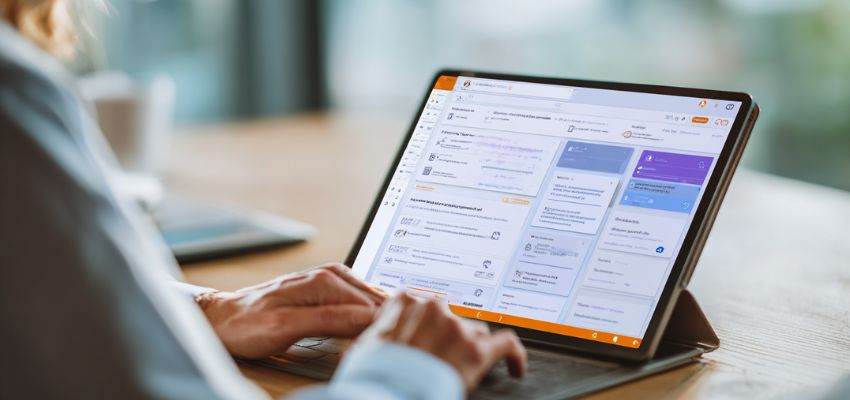
Vendors love buzzwords, but only a few سمات actually deliver lasting value. At minimum, the best contract automation software should offer automated drafting, AI-assisted review, centralized repositories, configurable workflows, e-signature integration, and renewal alerts.
ولكن الفارق الحقيقي هو الذكاء. هل يمكن للمنصة أن تتعلم من اتفاقياتك السابقة؟ هل يمكنها تطبيق البنود الموحدة تلقائياً؟ هل يمكنها الكشف عن الإشارات الحمراء دون تمشيط 40 صفحة من الناحية القانونية؟ إذا لم يكن كذلك، فهي ليست مصممة لعام 2025.
توقع أدوات تمنع المخاطر بشكل استباقي بدلاً من مجرد توثيقها. أي شيء أقل من ذلك هو تكنولوجيا الأمس في واجهة حديثة.
6. أكثر الخرافات الشائعة حول أتمتة العقود (ولماذا تستمر)
تتردد العديد من الفرق في الأتمتة لأنها تخشى فقدان السيطرة. ومن المفارقات أن التعاقد اليدوي يخلق المزيد من الفوضى، والارتباك في الإصدارات، والبنود المارقة، والموافقات غير المتسقة. خرافة أخرى؟ “الأتمتة تحل محل القانونية”.”
في الواقع، إنها ترتقي بالشؤون القانونية من خلال إزالة المهام منخفضة القيمة والسماح بالتركيز على استراتيجية التفاوض وإدارة المخاطر. هناك أيضًا الاعتقاد الخاطئ بأن الأتمتة “معقدة للغاية بحيث لا يمكن تبنيها”.”
تنطلق المنصات الحديثة بسير عمل موجه، وقوالب معدة مسبقًا، وذكاء اصطناعي يتعلم بسرعة. الحقيقة الجريئة هي أن معظم المقاومة تأتي من العادة وليس المنطق. بمجرد أن ترى الفرق انخفاض وقت الدورة، يختفي التردد.
7. مراجعة العقود المدعومة بالذكاء الاصطناعي: ميزتك التنافسية الجديدة
لا تتعلق مراجعة الذكاء الاصطناعي بالاستعاضة عن الحكم البشري، بل تتعلق بمنع البشر من الغرق في المقارنات المتكررة. فبدلاً من التحقق يدوياً مما إذا كان أحد البنود ينحرف عن السياسة أم لا، يقوم الذكاء الاصطناعي بتحديد التناقضات في ثوانٍ معدودة، ويسلط الضوء على المخاطر، ويقترح بدائل متوافقة.
يؤدي ذلك إلى تحويل المراجعة من عنق الزجاجة إلى نقطة تفتيش استراتيجية. غالبًا ما تقلل الشركات التي تستخدم برنامج أتمتة مراجعة العقود من دورات التفاوض بشكل كبير لأنها تستبعد العودة إلى الوراء بشأن القضايا التي يمكن تجنبها.
والأفضل من ذلك، يكشف الذكاء الاصطناعي عن الأنماط في صفقاتك، مما يساعدك على التفاوض بذكاء أكبر بمرور الوقت. عندما تزيل الكدح من المراجعة، فإنك في النهاية تطلق العنان للقيمة الحقيقية لفريقك القانوني.
8. توسيع نطاق سير العمل باستخدام الأتمتة (دون إضافة المزيد من الأشخاص)
القوة الأكثر استخفافاً بالأتمتة هي الاتساق. تعتمد عمليات سير العمل اليدوية على من هو متاح، ومن يتذكر العملية، ومن يفيض صندوق الوارد الخاص به. ومع ذلك، فإن تدفقات العمل الآلية لا تنسى القواعد أبداً، ولا تؤخر الموافقات أبداً، ولا ترسل المستندات إلى صاحب المصلحة الخطأ.
والأفضل من ذلك، يمكنك تهيئة المسارات بناءً على نوع العقد أو مستوى المخاطرة أو قيمة الصفقة أو المنطقة الجغرافية أو وحدة الأعمال. هذا يعني أن اتفاقية عدم إفشاء بسيطة لا ينتهي بها الأمر أبدًا بالانتظار خلف اتفاقية الخدمات الإدارية عالية التعقيد.
يعمل التوجيه الذكي على تسريع العمل منخفض المخاطر مع منح الصفقات المعقدة الإشراف الذي تستحقه. يمكنك زيادة الحجم، دون زيادة عدد الموظفين.
9. تحويل العقود إلى بيانات لاتخاذ قرارات أكثر ذكاءً
العقد ليس مجرد مستند، بل هو مجموعة بيانات تنتظر من يفتحها. فمع الأتمتة، يصبح كل التزام، وتاريخ التجديد، ومدة السعر، وسقف الالتزام، والالتزامات القابلة للتسليم، معلومات منظمة وقابلة للبحث.
يكتسب القادة رؤية لم تكن متوفرة لديهم من قبل، بما في ذلك البائعون الذين يتأخرون باستمرار في التسليم، والعملاء الذين يتفاوضون بشدة على التسليم، والبنود التي تسبب التأخير، وأين يختبئ تسرب الإيرادات. هذا المنظور يكاد يكون مستحيلاً مع العمليات اليدوية.
تحوّل البيانات التعاقد إلى وظيفة قابلة للقياس والتحسين بدلاً من الصندوق الأسود. المفاجأة المفاجئة؟ بمجرد أن ترى فرق العمل تحليلات العقود قيد التنفيذ، لن يرغبوا أبدًا في العودة إلى تخمينات PDF مرة أخرى.
10. كيفية اختيار أفضل برامج أتمتة العقود لعام 2025
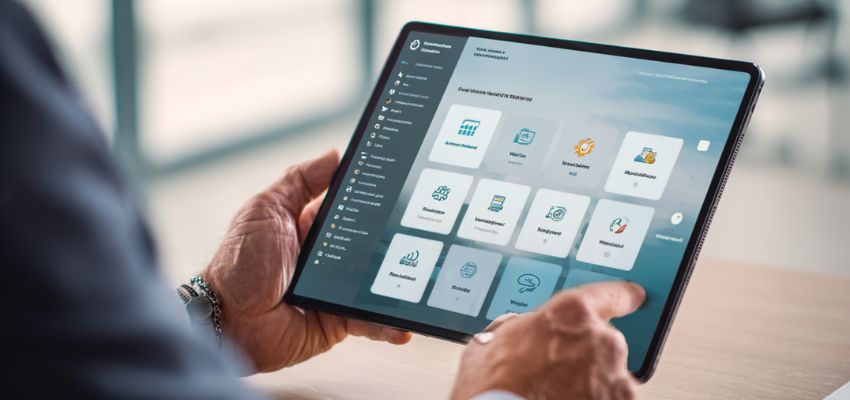
لا يتعلق اختيار النظام الأساسي باختيار واجهة المستخدم الأكثر بهرجة، بل يتعلق باختيار نظام مصمم للتطور. ابحث عن أدوات الذكاء الاصطناعي الأصلية المدربة على مجموعات البيانات القانونية، وليس النماذج اللغوية العامة. ابحث عن عمليات التكامل التي تلغي الإدخال اليدوي للبيانات.
أعط الأولوية لقابلية التهيئة بحيث تعكس عمليات سير العمل الخاصة بك أعمالك، وليس الإعدادات الافتراضية للمورد. والأهم من ذلك، اختر منصة ستستخدمها فرق عملك بالفعل؛ فالتبني يتفوق على التطور في كل مرة.
إن أفضل برنامج لأتمتة العقود في فرق العمل في مجال القانون أو المؤسسات يقلل من الاحتكاك في كل مكان، والصياغة، والمراجعة، والموافقة، والتخزين، والامتثال، والتجديد. إذا لم تقلل من الجهد، فهي ليست الأداة المناسبة.
الأسئلة الشائعة
ما هي البرامج المستخدمة في العقود؟
يساعد برنامج أتمتة العقود الأشخاص على إعداد العقود ومراجعتها وتوقيعها بشكل أسرع. فهو يحتفظ بجميع المستندات في مكان واحد، حتى لا يضيع أي شيء. تستخدمه العديد من الشركات لتوفير الوقت وتجنب الأخطاء.
ما هي أمثلة برامج التشغيل الآلي؟
تقوم برامج التشغيل الآلي بالمهام تلقائيًا، بحيث لا يضطر الأشخاص إلى القيام بها يدويًا. ومن الأمثلة على ذلك برامج أتمتة مراجعة العقود، وأدوات أتمتة البريد الإلكتروني، وأدوات سير العمل التي تنقل المهام إلى الشخص المناسب. تساعد هذه الأدوات فرق العمل على العمل بشكل أسرع وأكثر ذكاءً.
ما هي الشروط الخمسة للعقد؟
القواعد الخمسة هي قواعد بسيطة تساعد على جعل العقد شفافاً وعادلاً. وهي: الوضوح والاكتمال والاتساق والامتثال والتواصل. تساعد هذه القواعد الجميع على فهم ما يوافقون عليه.
ما هي الأنواع الثلاثة الرئيسية لعقود البرمجيات؟
هناك ثلاثة أنواع رئيسية: عقود الاشتراك، وعقود الشراء لمرة واحدة، وعقود الخدمة. ويوضح كل منها كيف يمكنك استخدام البرنامج. كما توضح أيضاً ما يجب عليك دفعه والدعم الذي تحصل عليه.
ما هي الشروط الثلاثة للعقد؟
تتمثل العناصر الثلاثة في الوعد والسعر والأداء. وهي تشرح ما يجب على كل شخص القيام به، ومقدار التكلفة، وكيفية إنجاز العمل. وهذا يساعد كلا الطرفين على الالتزام بالاتفاق.
الأفكار النهائية
برامج العقود الجيدة تجعل العمل بسيطاً وآمناً. فهو يحتفظ بجميع العقود في مكان واحد حتى تتمكن الفرق من العثور عليها بسرعة. ابحث عن ميزات مثل المخزن الآمن، والوصول إلى الأدوار، وتسجيل بيانات الذكاء الاصطناعي، والقوالب، والتوقيعات الإلكترونية، وسير العمل الآلي، والتنبيهات، ومسارات التدقيق، والتكاملات.
هذا يوقف الأوراق المفقودة والتواريخ الفائتة والموافقات البطيئة. ابدأ على نطاق صغير واختر الأدوات التي سيستخدمها فريقك. قم بتدريب الأشخاص وترحيل العقود القديمة ببطء. إذا كنت تريد خياراً ودوداً, أيساين يوفر إنشاء عقود بالذكاء الاصطناعي، وتوقيعات إلكترونية مدمجة، وقوالب، وأمان، وتكامل سهل.
جرّبه واكتشف مقدار الوقت الذي ستوفره. ابدأ تجربتك المجانية اليوم، بدون مخاطرة.
جرب AiSign مجانًا لمدة 30 يومًا، ولا يلزم وجود بطاقة ائتمان
استمتع بسهولة وكفاءة إدارة عقود عملك. تتيح لك منصتنا إنشاء عقود باستخدام أدوات تعمل بالذكاء الاصطناعي، إرسال وتوقيع المستندات عبر الإنترنت, والمزيد. وداعًا لتعقيدات الأعمال الورقية واستمتع بسير عمل مبسط. تم تصميم أدوات AiSign للمستقلين والشركات الصغيرة والشركات الكبرى. سجل اليوم للحصول على نسخة تجريبية مجانية لمدة 30 يومًا.

عن المؤلف
جولي فورتونا كاتبة موهوبة لدى AiSign، متخصصة في تبسيط الأفكار المعقدة. وبفضل ميلها إلى التواصل الواضح والجذاب، تساعد جولي القراء على فهم أحدث الاستراتيجيات والاتجاهات.