



Indemnification Agreement Explained: Avoid Costly Mistakes
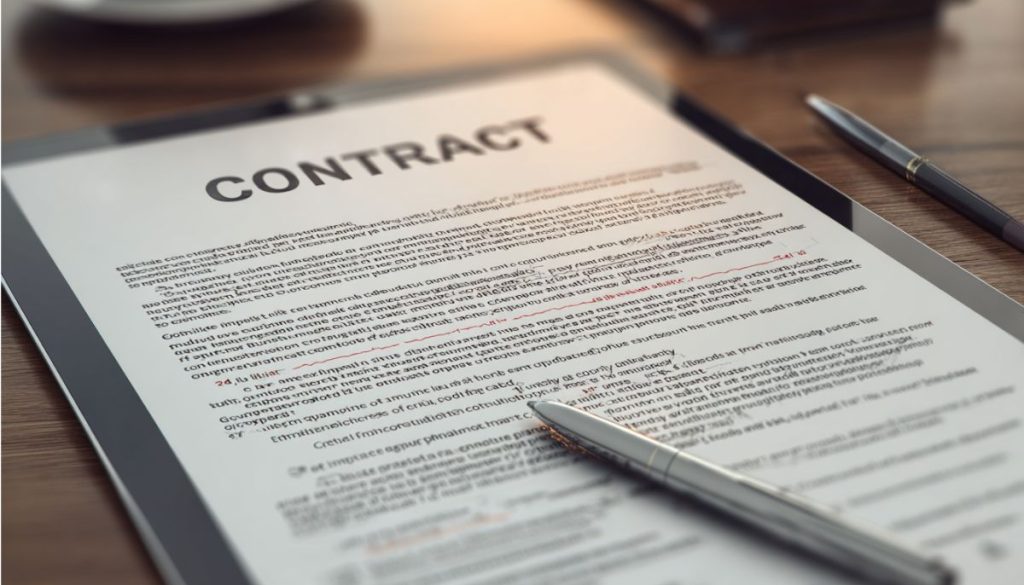
One vague sentence in a contract can quietly cost you thousands, and the indemnification agreement is often to blame. If you have ever asked, what is an indemnification agreement, you are already ahead of most people signing one.
Founders, contractors, and investors routinely misunderstand indemnification agreement meaning, assuming it is boilerplate and harmless. It is not. This guide explains who is protected, who pays, when it applies, and why frameworks like the NVCA indemnification agreement exist.
You will see practical examples, an indemnification agreement sample mindset, and common mistakes to avoid before a signature turns into litigation and financial fallout.
Understanding the Real Meaning of an Indemnification Agreement
Most people think an indemnification agreement is just legal filler until it’s enforced. At its core, it decides who pays when something goes wrong, and that “something” is often expensive. The indemnification agreement meaning isn’t about fault, it’s about financial responsibility.
Who covers legal fees? Who absorbs third-party claims? Who bleeds cash first? These questions matter more than intent. Many disputes start because parties assume indemnity equals fairness. It doesn’t. It equals leverage.
If you don’t understand exactly what you’re agreeing to indemnify, you may be insuring risks you never created, controlled, or priced into the deal.
Why Indemnification Clauses Are So Heavily Negotiated
There’s a reason lawyers fight hardest over indemnification agreement language: it quietly shifts risk. Price, timelines, and deliverables feel tangible, but indemnity decides survival when lawsuits appear. One party wants broad protection; the other wants narrow exposure.
That tension fuels negotiation. The surprise? Courts often enforce these clauses strictly. If the wording is broad, so is your liability. If it’s vague, interpretation may not favor you. Negotiation isn’t about being difficult, it’s about aligning risk with control.
Ask yourself, am I indemnifying something I can’t prevent? If yes, renegotiate or walk away.
Who Is Protected, and Who Actually Pays
Every indemnification agreement has two roles: the indemnifier and the protected party. Sounds simple, but real life complicates it. The protected party may still face lawsuits, reputational harm, and operational disruption before reimbursement ever arrives.
Meanwhile, the indemnifier might fund defense costs immediately, even if fault is unclear. Timing matters. Control matters. Who chooses the lawyer? Who approves settlements? These details determine whether indemnification is real protection or delayed pain.
A smart agreement balances payment obligations with defense rights. Otherwise, you may “win” indemnity on paper while losing control when it matters most.
The Triggers That Activate Indemnification
Indemnification doesn’t apply to everything, it activates only when specific events occur. These triggers are where costly misunderstandings hide. Breach of contract, negligence, IP infringement, regulatory fines each trigger expands exposure differently.
Broad triggers favor the protected party; narrow triggers protect the indemnifier. The danger? Catch-all phrases like “arising out of” or “related to.” Courts interpret them expansively. Ask a blunt question.
What exact behavior flips the indemnity switch? If you can’t answer confidently, the clause is too risky. Precision here prevents surprises later, especially when third-party claims enter the picture.

Limits, Caps, and the Illusion of Safety
Liability caps feel comforting until you realize indemnification often escapes them. Many contracts carve indemnity out of limitation clauses entirely. Translation: unlimited exposure. Even when caps apply, they may exclude legal fees, settlements, or regulatory penalties.
Another trap is excluding “consequential damages” while still covering third-party claims, which courts may treat differently. The controversial truth? A low contract value doesn’t mean low indemnity risk. One lawsuit can dwarf the deal itself.
Always verify whether indemnification is capped, uncapped, or partially limited. Assumptions here are expensive mistakes disguised as optimism.
Duration: When Indemnity Outlives the Contract
Many people assume indemnification ends when the contract ends. Wrong. Some obligations survive for years, sometimes indefinitely. Intellectual property, confidentiality breaches, and regulatory issues often extend indemnity well beyond termination.
This creates “zombie liability” contracts long forgotten, obligations still alive. Ask how long indemnification lasts and why. Is the duration tied to statutes of limitation, insurance coverage, or arbitrary timelines?
If survival clauses aren’t aligned with realistic risk windows, you’re exposed without operational benefit. Long-tail liability demands higher compensation or stronger insurance. Otherwise, you’re funding future problems for past relationships.
Indemnification in the Real World
Indemnification agreements aren’t theoretical, they surface everywhere. A SaaS startup indemnifies customers for IP claims. A landlord requires tenants to indemnify for on-site injuries. An acquirer demands indemnity for undisclosed liabilities.
Each scenario shifts risk to the party closest to control, or sometimes, the weaker party with less leverage. Real disputes often involve third parties you never contracted with directly. That’s the shock factor.
Indemnity can pull you into litigation you didn’t start, didn’t expect, and can’t easily escape. Understanding industry norms helps, but blindly copying them can still backfire.
The NVCA Indemnification Agreement Perspective
In venture deals, the NVCA indemnification agreement framework reflects hard-earned balance. It limits founders’ personal exposure while protecting investors from fundamental misrepresentations.
Why does this matter? Because it shows indemnity isn’t about punishment, it’s about predictable risk allocation. Caps, baskets, and survival periods exist for a reason. Deviating from these norms without understanding them signals inexperience.
Even outside venture capital, NVCA logic offers a useful lens like align indemnity with disclosure, control, and fairness. If one side bears unlimited risk for limited upside, the agreement isn’t sophisticated, it’s predatory.
Drafting Language That Prevents Litigation
Great indemnification agreements are boring, and that’s the goal. Clear definitions, precise triggers, defined procedures, and aligned caps reduce courtroom drama. Ambiguity invites lawsuits. Over-aggression invites pushback.
Strong drafting answers who pays, when, how much, and who controls the defense. It also coordinates with insurance, limitations of liability, and dispute resolution clauses. A powerful technique? Read the clause imagining the worst-case scenario actually happened.
Would the outcome feel fair? If not, rewrite it. Indemnification shouldn’t be a weapon, it should be a seatbelt you hope never gets tested.

Managing Indemnification at Scale
As contracts multiply, indemnification risk compounds. One overlooked clause across hundreds of agreements can become a systemic liability. This is why mature organizations track indemnification terms centrally. Clause libraries enforce consistency.
Alerts flag survival deadlines. Analytics reveal patterns, like uncapped indemnities hiding in low-value deals. The bold truth? Unmanaged indemnification is silent debt. You don’t see it on balance sheets, but it exists.
Whether you’re a startup or enterprise, treating indemnification as data, not just text, turns legal risk into something measurable, negotiable, and ultimately controllable.
FAQs About Indemnification Agreement
What are common pitfalls?
A common mistake is signing an indemnification agreement without reading it carefully. Many people miss who pays for legal costs or how much they could owe. Another pitfall is agreeing to very broad language that creates big risks.
What is covered?
An indemnification agreement usually covers losses, damages, and legal fees. It may include third-party claims and contract breaches. What is covered depends on the exact wording in the agreement.
What does “Hold Harmless” mean?
“Hold harmless” means one party promises to protect the other from loss. It is often used with indemnification agreement language. Both terms aim to shift risk from one party to another.
What is the difference between Indemnitor and Indemnitee?
The indemnitor is the party that agrees to pay for losses. The indemnitee is the party being protected. Knowing this difference helps explain indemnification agreement meaning.
How long does indemnification last?
Indemnification can last for the life of the contract or even after it ends. Some clauses stay active for years. Always check the time period before signing.
الأفكار النهائية
An indemnification agreement helps decide who pays when something goes wrong. It can protect you, but only if you understand it before signing. Simple words matter, and small details can cause big problems later.
Always check who is covered, how long it lasts, and how much money is at risk. Clear contracts bring peace of mind and fewer fights. Tools like أيساين make this easier by helping you create, send, and manage contracts in one safe place.
When contracts are clear and easy to handle, you can focus on growing your business instead of worrying about legal trouble.
جرب AiSign مجانًا لمدة 30 يومًا، ولا يلزم وجود بطاقة ائتمان
استمتع بسهولة وكفاءة إدارة عقود عملك. تتيح لك منصتنا إنشاء عقود باستخدام أدوات تعمل بالذكاء الاصطناعي، إرسال وتوقيع المستندات عبر الإنترنت, والمزيد. وداعًا لتعقيدات الأعمال الورقية واستمتع بسير عمل مبسط. تم تصميم أدوات AiSign للمستقلين والشركات الصغيرة والشركات الكبرى. سجل اليوم للحصول على نسخة تجريبية مجانية لمدة 30 يومًا.

عن المؤلف
جولي فورتونا كاتبة موهوبة لدى AiSign، متخصصة في تبسيط الأفكار المعقدة. وبفضل ميلها إلى التواصل الواضح والجذاب، تساعد جولي القراء على فهم أحدث الاستراتيجيات والاتجاهات.