






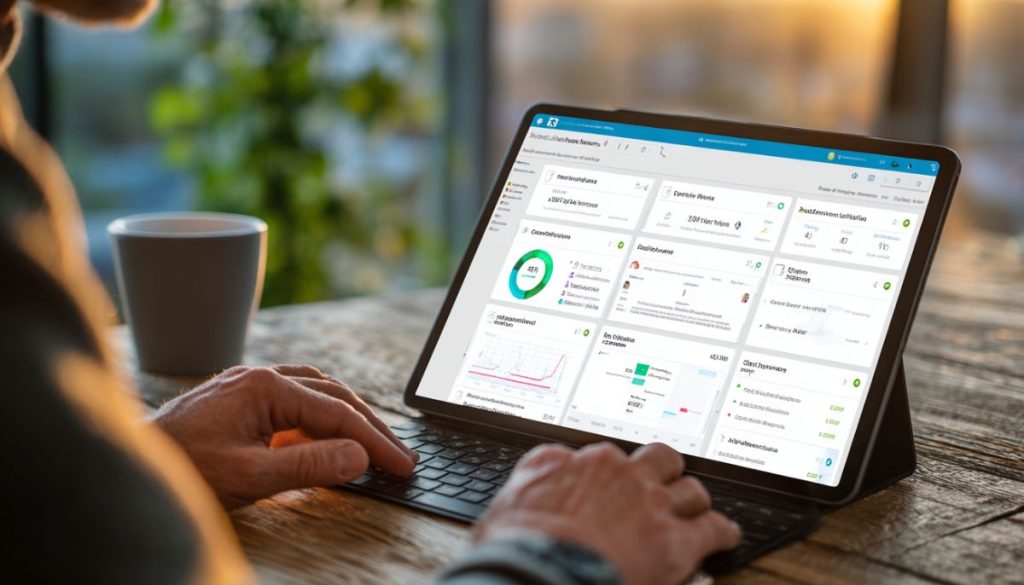
The Ultimate Guide to Contract Management Tools in 2026
Contracts shouldn’t slow your business down, but in 2026, many still do. Missed renewals, buried clauses, vendor disputes sound familiar? If so, this guide is for you. The right contract management tools don’t just organize paperwork; they protect revenue, reduce risk, and give you back time.
In this post, we’ll break down what modern contract lifecycle management tools actually do, why top-rated vendor contract management tools outperform legacy systems, and how to spot truly user-friendly contract management tools.
You’ll also get practical tips for picking vendor contract management tools that fit your team, not just your tech stack. Ready to stop managing contracts and start mastering them?
Centralized Contract Repositories That Actually Stay Organized
Ever lost a “final_final_v3” contract five minutes before a meeting? You’re not alone. In 2026, contract management tools live or die by how well they centralize documents. A modern repository isn’t just storage, it’s searchable, permission-based, and smart enough to surface the right version at the right time.
Who needs access? When was it updated? Why does it matter now? The best contract lifecycle management tools answer those questions instantly. Think fewer frantic emails, stronger compliance, and contracts that work for you, not against you.
Organization isn’t boring, it’s a competitive advantage hiding in plain sight.
Automated Workflows That Eliminate Human Bottlenecks
Waiting on approvals shouldn’t feel like waiting on fate. Manual workflows collapse the moment one person goes silent. User-friendly contract management tools replace guesswork with automation, routing contracts to the right people, at the right time, every time.
Alerts, approvals, and escalations happen without chasing anyone down. The surprise? Automation doesn’t remove control, it restores it. You see exactly where a contract is stuck and why.
Top-rated vendor contract management tools turn chaos into momentum, cutting cycle times and saving deals before they stall. If speed is power, workflow automation is the engine.
Smarter Contract Drafting With Dynamic Templates
Why are teams still rewriting the same contracts from scratch? In 2026, that’s a self-inflicted problem. Advanced contract management tools use dynamic templates that adapt to deal type, vendor, and risk level automatically. Approved clauses drop in. Risky language stays out.
The value isn’t just speed, it’s consistency. Legal teams breathe easier, sales teams move faster, and compliance stops being a bottleneck. The bold truth? Manual drafting isn’t craftsmanship, it’s inefficiency.
If your contracts don’t practically build themselves, you’re leaving time and accuracy on the table.
AI-Powered Clause Intelligence That Reduces Risk
Here’s the controversial take: humans shouldn’t be the first line of defense for contract risk anymore. AI-driven contract lifecycle management tools now flag risky clauses, missing language, and deviations from standards in seconds.
They don’t replace legal judgment, they sharpen it. Imagine knowing warum a clause is dangerous before it becomes a dispute. Who benefits? Everyone. When risk is visible early, negotiations improve and surprises disappear.
Contract management tools with embedded intelligence turn contracts from static documents into living risk maps, something spreadsheets could never pull off.
Real-Time Contract Tracking Across the Entire Lifecycle
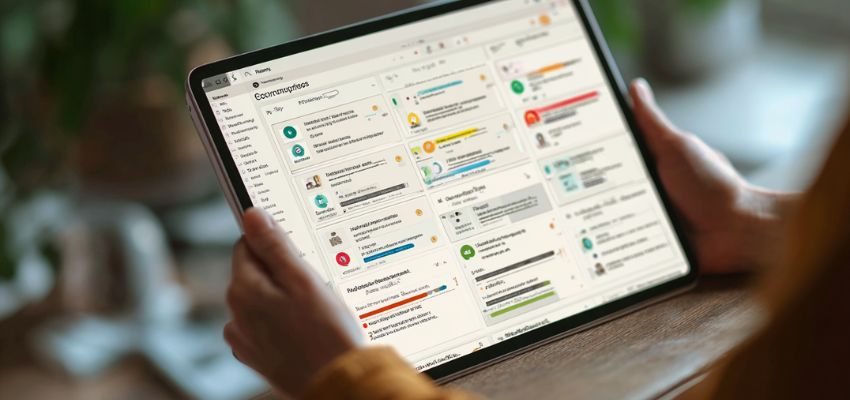
“What’s the status of that contract?” should never trigger panic. Intelligent tracking tools show who owns the contract, what stage it’s in, and what’s coming next, renewals, expirations, and obligations.
Manual tracking breaks the moment volume increases. The best contract management tools scale visibility without adding admin work. Missed renewals and surprise auto-extensions stop being expensive lessons. The payoff? Predictability.
When contracts are trackable end-to-end, leadership can make decisions with confidence instead of assumptions. Visibility isn’t micromanagement, it’s clarity.
Built-In Compliance and Audit Readiness
Compliance isn’t exciting until it fails. Then it’s catastrophic. In 2026, contract management tools are designed with audits in mind, logging every edit, approval, and signature automatically. Who changed what? When? Why? It’s all there.
This isn’t about preparing for audits, it’s about being always ready. User-friendly contract management tools make compliance invisible, not painful. The surprise factor? Strong compliance often speeds things up because fewer deals get stuck in legal review.
Order and speed can coexist if the system is built right.
Vendor Management That Goes Beyond Storage
Vendor contracts are relationships, not PDFs. Top-rated vendor contract management tools track performance, obligations, and compliance, not just documents. Are vendors meeting SLAs? Are discounts being applied? Are renewal terms still favorable?
The answers shouldn’t live in someone’s inbox. The bold move is treating vendor contracts like assets, not archives. When tools connect contracts to real-world outcomes, procurement and finance stop working in silos.
The result? Better negotiations, stronger leverage, and fewer “we didn’t realize” moments that cost real money.
Seamless eSignatures That Close Deals Faster
Paper signatures are a tax on momentum. In 2026, electronic signatures are table stakes, not a bonus feature. Integrated eSignatures remove friction, shorten close times, and improve the experience for everyone involved.
The psychology is simple, the easier it is to sign, the faster deals move forward. Contract management tools that embed signing directly into workflows prevent drop-off and confusion. The shocking part? Many organizations still treat signing as an afterthought.
In reality, execution speed often decides whether a deal succeeds or dies.
Analytics That Turn Contracts Into Strategy
Most companies store contracts. Few learn from them. Advanced contract management tools extract data that reveals patterns, cycle times, risk hotspots, vendor performance, and revenue leakage.
Why do certain contracts stall? Which clauses cause the most pushback? Analytics answer the “why,” not just the “what.” This is where contracts become strategic assets. Leadership doesn’t need more dashboards; they need insight.
When contracts tell a story, smarter decisions follow. The real power move? Using contract data to shape future negotiations before they even start.

Scalability That Grows With Your Business
The final mistake? Choosing tools that only solve today’s problems. The best contract lifecycle management tools scale across teams, regions, regulations, and deal complexity. What works for 50 contracts should work for 5,000.
Tips for picking vendor contract management tools often miss this: flexibility beats features. Configurable workflows, adaptable fields, and integrations matter more than flashy add-ons. The bold takeaway? Switching systems later is expensive.
Choosing a future-proof platform now isn’t cautious, it’s strategic foresight in a fast-moving contract landscape.
FAQs About Contract Management Tools
What does a contract management tool do?
Contract management tools help you create, store, track, and manage contracts in one place. They remind you about dates like renewals and approvals. This makes work faster and helps avoid mistakes.
Was sind die 5 K's eines Vertrags?
The 5 C’s are clarity, consistency, completeness, compliance, and communication. They help make sure a contract is easy to understand and legally safe. Good contract management tools help teams follow all five.
Which is the best contract management software?
The best contract management software depends on your business needs. User-friendly contract management tools are best for small teams, while large teams need more advanced features. Always choose tools that fit how you work.
What are the 5 steps of contract management?
The five steps are creation, review, approval, signing, and tracking. Contract lifecycle management tools help manage each step. This keeps contracts organized from start to finish.
What are the 4 C’s of contracts?
The 4 C’s are clarity, consideration, consent, and capacity. These make sure a contract is fair and valid. Contract management tools help support these basics by keeping everything clear and documented.
Abschließende Überlegungen
In 2026, work moves fast, and contracts should not slow you down. Using the right contract management tools helps teams stay organized, save time, and avoid mistakes. You can find contracts easily, track dates, and sign papers in minutes.
This makes everyone’s job simpler and less stressful. User-friendly contract management tools also help teams work better together. If you want an easy and safe way to sign and manage contracts, AiSign shows how smart tools can turn hard work into simple steps.
The right tool helps your business grow with confidence.
Testen Sie AiSign kostenlos für 30 Tage, keine Kreditkarte erforderlich
Erleben Sie Leichtigkeit und Effizienz bei der Verwaltung Ihrer Geschäftsverträge. Mit unserer Plattform können Sie Verträge mit KI-gestützten Tools erstellen, Dokumente online versenden und unterzeichnenund mehr. Verabschieden Sie sich von kompliziertem Papierkram und genießen Sie optimierte Arbeitsabläufe. Die Tools von AiSign sind für Freiberufler, kleine Unternehmen und große Konzerne konzipiert. Melden Sie sich noch heute für einen kostenlosen 30-Tage-Test an.

Über den Autor
Julie Fortuna ist eine talentierte Autorin für AiSign, die sich darauf spezialisiert hat, komplexe Ideen zu vereinfachen. Mit ihrem Gespür für klare und ansprechende Kommunikation hilft Julie den Lesern, die neuesten Strategien und Trends zu verstehen.