




Why Ignoring Terms and Conditions Could Be a Big Mistake
You scroll, you click “I agree,” and you move on. Simple, right? That tiny box of terms and conditions you ignore could be the most expensive decision your business ever makes. Whether you run a blog, an app, or an online store, these rules quietly shape your rights, risks, and responsibilities.
As one lawyer puts it, “If it’s not written, it doesn’t exist.” From rednote terms and conditions to real terms and conditions examples, this post explains when they matter, why they protect you, and how a terms and conditions generator or terms and conditions template can save you headaches.
What “Terms and Conditions” Mean
Terms and conditions aren’t just legal filler, they’re the rulebook of your digital space. They define who can use your service, how they can use it, and what happens when things go wrong. Think of them as a contract you didn’t negotiate face-to-face but still agreed to.
The surprise? Courts often enforce them if they’re clear and accessible. Whether you call them Terms of Service or Terms of Use, the purpose is the same: protection. Without them, you’re relying on assumptions, and assumptions don’t hold up when disputes arise.
Would you run a business without written rules? Exactly.
When You Actually Need Terms and Conditions
Many creators assume terms and conditions are optional. They’re not, at least not always. If you sell products, collect payments, host user-generated content, or run subscriptions, you’re already exposed.
E-commerce sites, apps, SaaS tools, and even blogs with comments benefit from having them in place. Some laws indirectly require disclosures that usually live inside terms and conditions. The “when” is simple, if users interact with your platform in any meaningful way, you need them.
Ignoring this step doesn’t make risk disappear; it quietly stacks it against you until something breaks.
The Hidden Problems They’re Designed to Prevent
Most people only look for terms and conditions after a problem hits. Chargebacks. Content theft. Abusive users. Account disputes. Your terms exist to handle these exact moments. Clauses on account termination, acceptable use, and limitation of liability can save you from expensive legal battles.
A strong terms and conditions example often reads boring, until it stops a lawsuit. As one founder said, “My terms didn’t make money, but they saved my business.” That’s the value most owners underestimate, prevention beats damage control every single time.
Why E-Commerce Sites Can’t Afford to Skip Them
Running an online store without terms and conditions is like shipping products without return rules. Customers expect clarity on payments, refunds, delivery, and cancellations. Regulators expect it too.
Your terms and conditions become the backbone of your sales process, spelling out obligations on both sides. They also protect you when customers dispute charges or misuse products. This is where generic language fails. Your store’s model matters.
Subscriptions, digital goods, or physical shipping all require different clauses. If money changes hands, your terms should never be an afterthought.

What to Include (And What Most People Forget)
At a minimum, terms and conditions should identify your business, describe your service, and explain user rights and limits. But many owners forget the high-impact sections like liability limits, disclaimers, governing law, and account suspension rules.
These are the clauses that matter when emotions and lawyers enter the chat. Clear age restrictions, payment terms, and refund policies also reduce friction with customers. The goal isn’t to sound intimidating, it’s to be precise.
Vague language helps no one. Ask yourself, if a dispute happened tomorrow, would this document protect me?
Templates: Convenient or Dangerous?
A terms and conditions template feels like a shortcut, and sometimes it is. But here’s the controversial truth: most templates don’t fit your business. They’re generic by design, while legal risk is specific.
Using the wrong template can be worse than having none at all because it creates false confidence. That said, templates can be a starting point if customized properly. The key is understanding what applies to you and what doesn’t.
Blind copy-paste is risky. Laws change. Business models evolve. Your terms should keep up, not fall behind.
Using a Terms and Conditions Generator Wisely
A terms and conditions generator sits between DIY and hiring a lawyer. When used correctly, it’s a powerful tool. Good generators ask the right questions about your business, industry, and location, then build clauses around those answers.
The benefit? Speed, structure, and updates. The mistake? Treating the output as “set and forget.” You still need to review, understand, and maintain it. Generators work best when you know your risks. Think of them as a co-pilot, not an autopilot, for legal protection.
Real-World Examples That Show Their Importance
Look at common terms and conditions examples from major platforms. Social networks reserve the right to remove content. Marketplaces limit liability for seller disputes. Apps outline acceptable use in detail.
These aren’t random clauses, they’re battle-tested responses to past problems. Even rednote terms and conditions exist because platforms learned the hard way. Every line usually traces back to a real incident.
That’s the storytelling hidden inside legal text. When small businesses skip this step, they’re skipping lessons others already paid for, often with lawsuits, fines, or shutdowns.
Same Document, Different Names—Does It Matter?
Terms and conditions, terms of service, terms of use, confusing, right? Here’s the simple answer legally, they usually mean the same thing. The name is less important than the content. What matters is clarity, accessibility, and user agreement.
Don’t get stuck debating labels while ignoring substance. Users don’t care what you call it; they care what it means for them. Choose a name that fits your brand and stick with it. Consistency builds trust. Ambiguity builds problems.
Terms and Conditions vs. Privacy Policy: Know the Line
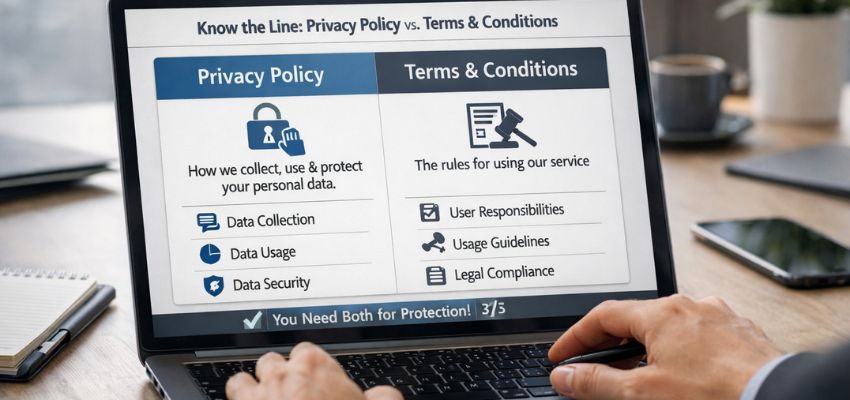
This mix-up is common and costly. A privacy policy explains how you collect and use personal data. Terms and conditions explain how your service works and how users must behave. One protects the user; the other protects the business.
You usually need both. Having one without the other leaves gaps regulators and lawyers love to exploit. Think of them as teammates, not substitutes. If your privacy policy answers “What data do you collect?”, your terms answer “What are the rules here?”
Skip either, and your legal foundation is incomplete.
FAQs about Terms and Conditions
What are the consequences of ignoring T&Cs?
Ignoring terms and conditions can lead to fines, account bans, or legal trouble. You may lose rights you didn’t know you had. Many real terms and conditions examples show people losing money this way.
What happens if you don’t accept terms and conditions?
If you don’t accept the terms and conditions, you usually can’t use the service. Apps, websites, or stores may block you. This includes platforms like RedNote terms and conditions.
What happens if you don’t read the terms and conditions?
You still agree to the rules even if you don’t read them. This can cause surprises later, like fees or limits. Reading helps you avoid problems.
Why do people not read the terms and conditions?
Most individuals believe that terms and conditions are very lengthy or too boring. Others are of the opinion that nothing will go wrong. This attitude is likely to result in errors.
Why is it important to read terms and conditions?
By reading the terms and conditions, you can know your rights and risks. It safeguards your funds and your account. They can also be simplified with the help of a terms and conditions generator or a template.
Reflexiones finales
Ignoring terms and conditions may seem small, but it can cause big problems later. These rules explain what you can do and what you cannot do. When you read them, you protect your money, your account, and your business.
Many problems come from skipping the fine print and rushing to click “agree.” Taking a few minutes to read can save you stress and surprises. Tools like a terms and conditions generator can help make things clearer.
And when it’s time to sign contracts easily and safely, AiSign helps you create, send, and sign documents fast, no paper, no stress.
Pruebe AiSign gratis durante 30 días, sin tarjeta de crédito
Experimente la facilidad y la eficiencia en la gestión de los contratos de su empresa. Nuestra plataforma te permite crear contratos con herramientas basadas en IA, enviar y firmar documentos en líneay mucho más. Diga adiós a las complejidades del papeleo y disfrute de flujos de trabajo optimizados. Las herramientas de AiSign están diseñadas para autónomos, pequeñas empresas y grandes corporaciones. Regístrese hoy mismo para una prueba gratuita de 30 días.

Sobre el autor
Julie Fortuna es una talentosa escritora de AiSign, especializada en simplificar ideas complejas. Con un don para la comunicación clara y atractiva, Julie ayuda a los lectores a entender las últimas estrategias y tendencias.