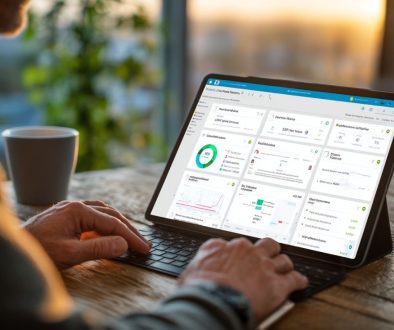







What Is CLM Meaning? Beginner’s Guide to Simplify Contracts
Ever stumbled across “CLM” and wondered why everyone in business seems to know what it means, except you? You’re not alone. Contracts are everywhere, yet managing them often feels confusing, risky, and time-consuming.
That’s where clm meaning becomes crucial. In this beginner’s guide, we’ll break down the clm meaning in business, explore the clm software meaning, and even decode clm meaning in text and slang.
Whether you’re signing your first contract or streamlining hundreds, understanding CLM can save money, reduce risk, and boost efficiency. So what exactly is CLM, and why does it matter more than you think right now today seriously?
What Does CLM Really Mean?
CLM meaning goes beyond a simple acronym. Contract Lifecycle Management refers to how contracts are created, negotiated, approved, executed, tracked, and closed. Why does this matter? Because contracts quietly control revenue, risk, and relationships.
Most businesses don’t fail because of bad ideas, they fail because they miss details buried in contracts. CLM exists to stop that. It answers the who (stakeholders), what (agreements), when (deadlines), where (storage), and why (risk and value).
Think of CLM as your contract’s GPS, without it, you’re driving blind and hoping nothing goes wrong.
CLM Meaning in Business: Why Companies Depend on It
In business, CLM meaning translates to control and clarity. Sales teams want speed, legal teams want protection, finance wants predictability, contracts sit in the middle of all three. Without CLM, deals stall, approvals drag, and renewals get missed.
Ever lost money because a contract auto-renewed quietly? That’s a CLM failure. A strong CLM process keeps everyone aligned, reduces friction, and turns contracts from static documents into active business tools.
The surprise? Companies that manage contracts well don’t just reduce risk, they move faster than competitors who don’t.
The Hidden Risks of Poor Contract Management
Most contract problems aren’t dramatic, they’re silent. Missed renewal dates, outdated clauses, unclear obligations. By the time someone notices, damage is done. Poor contract management often relies on emails, spreadsheets, and memory, three things humans are terrible at under pressure.
CLM exists because humans forget. It creates structure where chaos thrives. Ask yourself, if a regulator, auditor, or executive asked for a contract right now, could you find the latest version in seconds? If not, you’re already exposed. That’s the uncomfortable truth CLM is designed to fix.
Key Stages of the Contract Lifecycle Explained Simply
Every contract follows a journey: creation, negotiation, approval, execution, management, and closure. CLM brings order to each stage. Creation answers what’s needed. Negotiation handles changes. Approval ensures the right eyes sign off. Execution makes it official.
Management tracks obligations. Closure ends or renews the deal. Miss one stage, and the whole system weakens. CLM software connects these stages so nothing slips through cracks. Think of it like a relay race, if one runner drops the baton, the entire team loses momentum.
CLM Software Meaning: More Than Just Storage
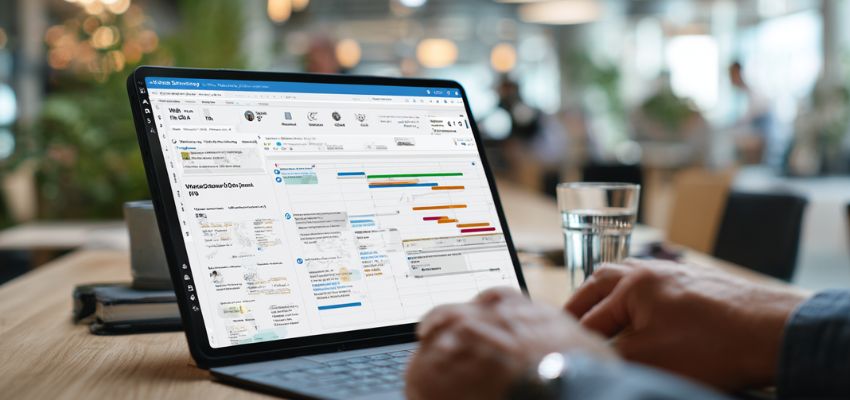
CLM software meaning is often misunderstood as “a place to store contracts.” That’s like calling a smartphone a calculator. Modern CLM software automates workflows, tracks deadlines, manages versions, flags risks, and provides real-time visibility.
It replaces guesswork with data. Instead of asking, “Where is this contract stuck?” you know instantly. The bold truth? CLM software doesn’t just support legal teams, it empowers sales, finance, procurement, and leadership to make faster, smarter decisions with fewer surprises.
How CLM Reduces Risk Without Slowing You Down
Many businesses fear that better controls mean slower deals. CLM proves the opposite. By standardizing templates and automating approvals, CLM removes unnecessary friction. It reduces risk by enforcing rules quietly in the background.
No more rogue clauses or forgotten signatures. No more last-minute panic. CLM helps teams move fast safely, a rare combination. The psychology here matters: when people trust the process, they stop bypassing it. CLM creates that trust by making the “right way” the easiest way.
CLM Meaning in Text and Slang: Clearing the Confusion
Outside legal and business contexts, CLM meaning in text or slang can confuse beginners. In casual messaging, CLM might mean something entirely different, or nothing standardized at all. That’s why context matters.
In professional settings, CLM almost always refers to Contract Lifecycle Management. Misunderstanding it can lead to awkward conversations or missed learning opportunities. If someone says, “We need better CLM,” they’re not talking jargon, they’re signaling a real operational problem.
Knowing this meaning helps you speak the language of modern business confidently.
Who Actually Uses CLM Systems Daily?
CLM isn’t owned by one department. Legal teams protect the company. Sales teams close deals. Finance tracks revenue. Procurement manages vendors. Leadership demands visibility. CLM connects them all.
Without it, everyone works in silos, duplicating effort and blaming delays on others. With CLM, accountability becomes visible. Everyone sees where a contract stands and who owns the next step.
The surprising shift? CLM often improves collaboration more than any meeting or policy ever could.
The Real Benefits Businesses Don’t Expect
Most companies adopt CLM to reduce risk, but the biggest wins are unexpected. Faster deal cycles. Better vendor relationships. Stronger compliance posture. Cleaner audits. Fewer internal conflicts. CLM turns contracts into data, and data creates insight.
Suddenly, leadership can answer questions like “Which contracts underperform? Where do delays happen? What terms cost us the most?” CLM doesn’t just organize paperwork, it exposes patterns that were invisible before. That’s where real competitive advantage begins.

Why CLM Is Becoming Non-Negotiable
Once considered “nice to have,” CLM is quickly becoming essential. As businesses scale, manual contract management breaks. Regulations tighten. Margins shrink. Speed matters. CLM addresses all three pressures at once.
The bold reality? Companies that delay CLM adoption often learn the hard way, through fines, lost deals, or public mistakes. Those who adopt early build resilience. CLM isn’t about contracts, it’s about protecting momentum. And in modern business, momentum is everything.
FAQs About CLM Meaning
What does CLM mean in contracts?
CLM meaning in contracts is how a contract is made, used, and finished. It helps track dates, rules, and duties. This keeps people from forgetting important steps.
What is a CLM contract?
A CLM contract is a contract managed using a clear system. It is easy to find, update, and follow. This helps businesses stay organized and safe.
What does the CLM stand for?
CLM stands for Contract Lifecycle Management. It means managing a contract from start to end. This includes writing, signing, and closing it.
How to learn CLM?
You can learn CLM by reading simple guides and watching videos. Using basic CLM software also helps you learn faster. Practice makes it easier to understand.
What are the 5 C’s of a contract?
The 5 C’s are Clear, Correct, Complete, Consistent, and Compliant. These help make contracts easy to understand. They also help avoid problems later.
Final Thoughts
CLM meaning is about managing contracts from start to finish in a simple and smart way. It helps people write, sign, track, and renew contracts without stress. With CLM software, work becomes faster, safer, and easier for everyone.
It also helps businesses save money and avoid mistakes. Tools like AiSign make this even simpler by letting you create, send, sign, and store contracts online in minutes. When you understand CLM, contracts stop feeling scary and start working for you.
Learning CLM today can make your future work smooth and happy.
Try AiSign Free For 30 Days, No Credit Card Required
Experience ease and efficiency in managing your business contracts. Our platform lets you create contracts with AI-powered tools, send and sign documents online, and more. Say goodbye to paperwork complexities and enjoy streamlined workflows. AiSign’s tools are designed for freelancers, small businesses, and large corporations. Sign up today for a free 30-day trial.

About The Author
Julie Fortuna is a talented writer for AiSign, specializing in simplifying complex ideas. With a flair for clear and engaging communication, Julie helps readers understand the latest strategies and trends.