






Avoid These 5 Common Contract Negotiation Mistakes
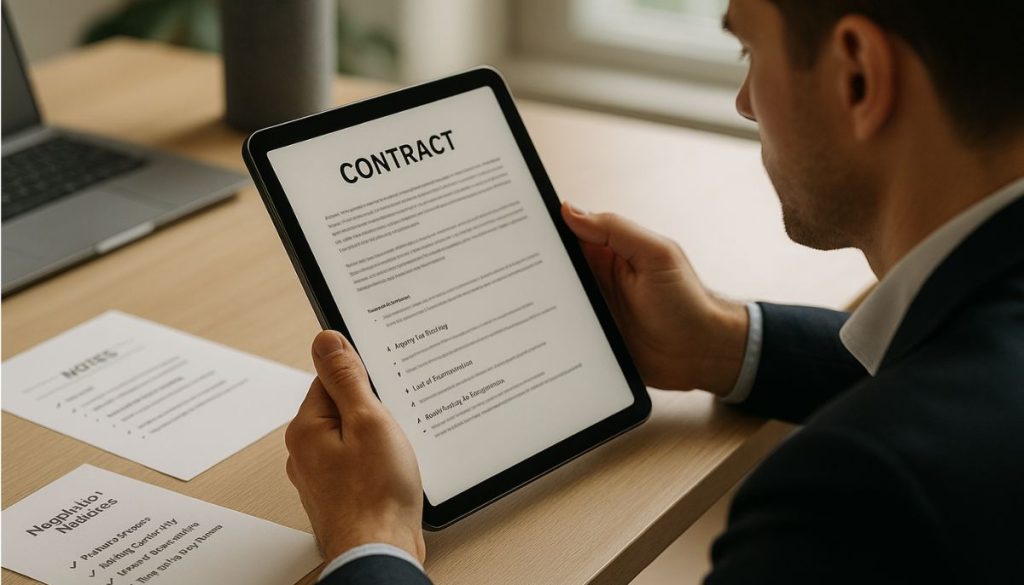
Contract negotiation can help or hurt a deal. Many people make the same small mistakes again and again. Whether you are making a new contract or changing one, it is important to know what not to do.
Before you begin, stop and ask yourself, “Am I making this harder without knowing it?” This guide will show you the five biggest mistakes to avoid. It will help you make deals with clear minds, strong choices, and better results.
1. Misunderstanding What Contract Negotiation Really Is
Many people jump into contract negotiation believing it’s just about arguing for a better price, but that’s the fastest way to derail a deal. Proper negotiation is a collaborative process where both sides uncover what they genuinely need, not what they assume they want.
Ask yourself, Do I understand the problem the other party is trying to solve? If not, you’re negotiating blind. Buyers can sense when you’re pushing an agenda instead of building clarity. And clarity builds trust.
When you reframe the process as problem-solving rather than point-scoring, you create space for deals that feel fair, sustainable, and mutually beneficial.
2. Failing to Prepare Before You Talk Terms
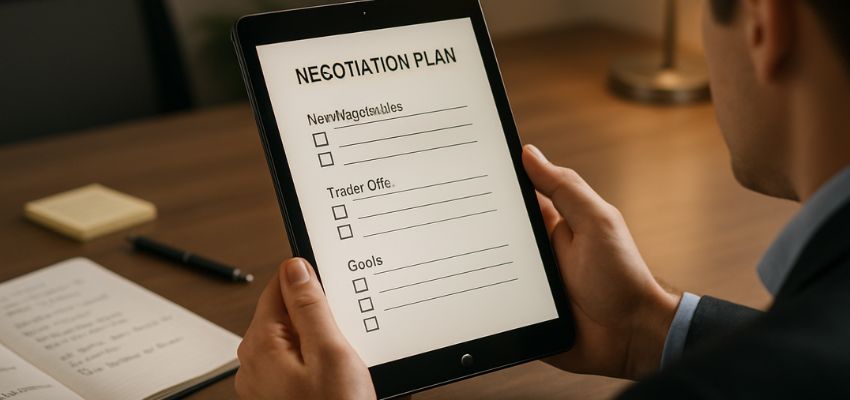
Walking into a negotiation without preparation is like entering a maze without a map, you may eventually find your way out, but you’ll lose time, energy, and leverage. Before drafting a negotiation contract or engaging in a SaaS contract negotiation, outline your non-negotiables, trade-offs, and goals.
What will you give? What will you refuse? What concessions are worth the win? Great negotiators don’t rely on improvisation; they rely on planning. When you start with clarity, you avoid scrambling for answers, oversharing, or agreeing to terms you’ll regret.
Preparation turns anxiety into confidence, and confidence influences outcomes.
3. Ignoring the Other Party’s Psychology
You can’t negotiate effectively if you overlook human behavior. Every term, price point, or clause sparks an emotional response, even in highly technical or legal conversations. People don’t just ask, “Is this deal good?”, they ask, “Does this feel safe?” If you treat negotiation like a cold exchange of numbers, you miss the fundamental drivers.
Fear, risk tolerance, change resistance, and trust. Use active listening and curiosity to uncover what’s unsaid. What are they worried about? What outcomes could make them look bad? Understanding psychology isn’t manipulation, it’s respect.
It shows you’re building a contract they can confidently stand behind.
4. Overlooking the Details That Protect You
Contracts aren’t just formalities, they’re risk maps. Yet many people skim the fine print, rush approvals, or treat redlines as a nuisance. That’s exactly how unfavorable terms slip in: renewal traps, vague responsibilities, hidden fees, or lopsided liability language.
Before you decide how to modify a contract after negotiation or approve final terms, slow down. Ask “What’s missing? What’s ambiguous? What protects me?” The boldest negotiators don’t fear details, they embrace them.
Reviewing the contract with legal or operational insight isn’t overkill; it’s strategic self-preservation. Minor oversights today can become major disputes tomorrow.

5. Neglecting Long-Term Relationship Impact
Winning a deal is not good if someone feels upset later. Sometimes people feel confused or pushed, and the deal falls apart. Contract negotiation is not a fight. It is the start of working together.
Each part of the contract should feel fair for both sides. Ask yourself, “Will this still feel good next year?” A clear contract helps stop problems and keeps people happy. Think about more than the signature, think about the future you want to build together.
FAQs About Contract Negotiation
What are the five-five rules of negotiation?
The five-five rule means you should know your top five needs and your five “nice to have” items. This helps you stay calm and clear during a negotiation. It also keeps you from giving away things that matter most.
What is the most common mistake in negotiation?
The greatest error is failure to prepare prior to the talk. Human beings come in with a rush without knowing what they desire. This may result in poor decisions or unjustified offers.
What are the 5 C’s of negotiation?
The 5 C’s are clarity, calmness, curiosity, confidence, and cooperation. These help both sides understand each other. They also make the negotiation smoother and more fair.
What are 5 possible problems that could occur in a contract situation?
A contract may have unclear terms. One side may not follow the rules. Sometimes people disagree on what the contract really means.
What are the 5 C’s of contract law?
The 5 C’s are capacity, consent, consideration, clarity, and cause. These make a contract valid and fair. Without them, a contract may not hold up.
Final Thoughts
Good contract negotiation does not have to be scary or confusing. When you slow down, use clear words, and check every part of the deal, you protect yourself and build stronger business relationships.
Simple steps like writing things clearly, understanding your needs, and asking questions can save you from big problems later. And remember, you do not have to do everything alone. Tools can make your work easier and faster.
That’s why many people use AiSign to send, sign, and manage contracts. With AI tools, easy templates, and mobile signing, you can create contracts in seconds and stay organized. Try AiSign and make contract work simple, safe, and stress-free.
Try AiSign Free For 30 Days, No Credit Card Required
Experience ease and efficiency in managing your business contracts. Our platform lets you create contracts with AI-powered tools, send and sign documents online, and more. Say goodbye to paperwork complexities and enjoy streamlined workflows. AiSign’s tools are designed for freelancers, small businesses, and large corporations. Sign up today for a free 30-day trial.

About The Author
Julie Fortuna is a talented writer for AiSign, specializing in simplifying complex ideas. With a flair for clear and engaging communication, Julie helps readers understand the latest strategies and trends.