





What Is a Wet Signature? Meaning, Examples, and Modern Alternatives
Ever been asked to provide a “wet signature” and wondered what it means? In a world dominated by digital documents, the concept can feel confusing or even outdated. This guide breaks down the wet signature meaning in simple terms, helping you understand when it’s required, why it still matters, and how it compares to modern alternatives.
Whether you’re signing contracts, handling legal paperwork, or exploring e-signatures, knowing the difference can save you time and prevent costly mistakes. Let’s explore the meaning of a wet signature and how it fits into today’s fast-moving, paperless landscape before making your next important signature decision.
What Does a Wet Signature Really Mean Today?
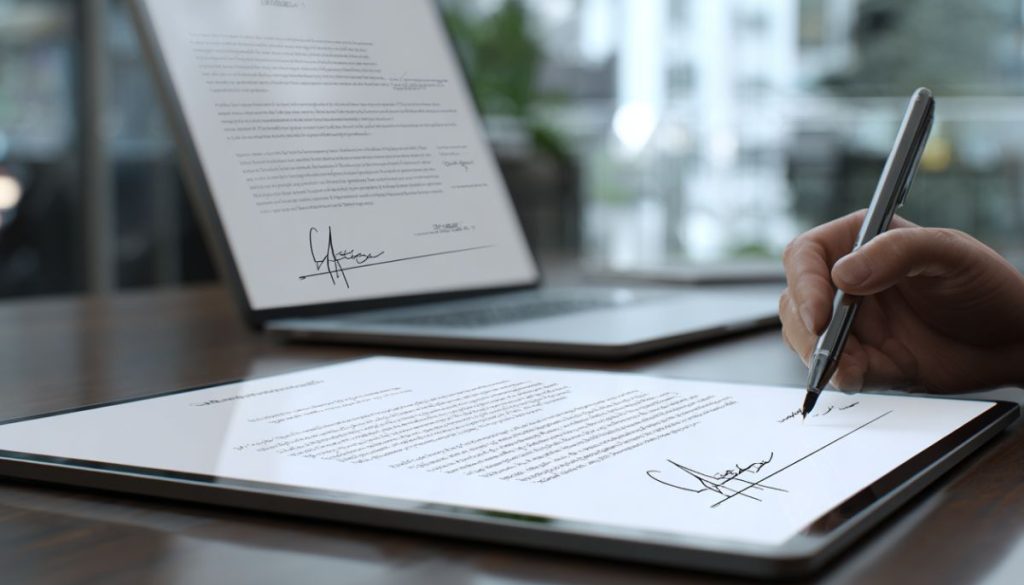
If you’ve ever been told to “sign and return,” you’ve likely faced the question: digital or ink? The wet signature meaning is simple yet powerful, it’s your handwritten mark on a physical document using ink.
But here’s the twist, in a digital-first world, that simple act carries more weight than ever. It signals intent, identity, and agreement in a tangible way. Think about it, why do some institutions still insist on pen and paper?
Because a wet-ink signature’s meaning goes beyond convenience, it represents tradition, trust, and a human connection that digital clicks sometimes lack.
Why Do People Still Ask for Wet Ink Signatures?
It can feel frustrating when everything else is online, yet someone insists on printing documents. Why? Because the meaning of wet signature is tied to assurance. Many people believe physical signatures reduce fraud and increase authenticity.
Whether that belief is always true is debatable, but psychologically, it matters. Imagine signing a life-changing contract, would you trust a typed name as much as ink on paper? For many, the answer is no.
This emotional trust keeps wet signatures alive, even when faster alternatives exist. Sometimes, it’s not about efficiency, it’s about confidence.
Wet Signature vs Digital Signing: What’s the Real Difference?
Here’s where confusion kicks in. A wet signature is physical, while electronic and digital signatures live online. But the difference isn’t just format, it’s experience. Signing with ink feels deliberate; clicking “I agree” feels instant.
Die wet-ink signature meaning emphasizes presence, while digital options prioritize speed. Which is better? It depends on your needs. If security and audit trails matter, digital wins. If tradition and perception matter, wet signatures hold ground.
The surprising truth? Many industries still rely on both, blending old and new methods in ways you might not expect.
When Is a Wet Signature Actually Required?
You might assume wet signatures are outdated, but that’s not entirely true. Certain documents still demand them. Think wills, property deeds, or notarized agreements. The original wet signature meaning becomes crucial in these cases because the law often requires physical proof.
Ever wondered why? It’s about reducing disputes and ensuring authenticity. In high-stakes situations, a tangible signature can serve as stronger evidence. So before you default to e-signing, ask yourself, is this document legally binding in a way that demands ink? That question can save you serious trouble later.

How to Create a Proper Wet Signature
Signing your name sounds simple, but doing it correctly matters. Start by printing the final document, never sign drafts. Use a consistent signature that matches your legal identity. The meaning of a wet signature also includes how it’s executed, clear ink, proper placement, and sometimes even initials on every page.
Ever rushed a signature and regretted it? Small mistakes can cause delays or rejection. Add dates when required and ensure witnesses or notarization if needed. A proper wet signature isn’t just writing your name, it’s completing a process that validates the entire document.
The Hidden Benefits of Wet Signatures
Despite modern tech, wet signatures offer unique advantages. They’re universally understood, no apps, no passwords, no learning curve. The wet signature meaning also carries emotional weight; signing physically often feels more binding.
Some even argue it reduces careless agreements because you’re more aware of the act. There’s also the benefit of simplicity, like no system failures, no compatibility issues. Imagine a scenario where technology fails, but ink doesn’t.
While digital tools dominate, these subtle advantages explain why wet signatures still have a place in critical moments and traditional workflows.
The Downsides No One Talks About Enough
Let’s be honest, wet signatures can be a hassle. Printing, signing, scanning, and sending documents takes time. The meaning of a wet signature doesn’t change, but the process around it can slow everything down.
Lost paperwork, delays, and storage issues are common problems. And here’s a controversial take, wet signatures aren’t always more secure. They can be forged, and verification isn’t foolproof. So why cling to them? Often, it’s a habit rather than a necessity.
Recognizing these drawbacks helps you decide when to move on and when sticking with ink still makes sense.
Industries That Still Depend on Wet Signatures
Not all sectors move at the same speed. Real estate, legal services, and government offices often require physical signatures. Why? Because the wet-ink signature meaning aligns with strict compliance and documentation standards.
Imagine buying property or signing a will, these aren’t everyday transactions. They demand extra layers of trust and verification. In such cases, a wet signature acts like a safeguard. While tech adoption is growing, these industries hold onto ink for a reason.
It’s not resistance, it’s risk management in environments where mistakes can be costly.
Are Wet Signatures Becoming Obsolete?
Here’s the bold question, are wet signatures dying? Not exactly, but they are evolving. The original wet signature meaning remains relevant, yet its usage is shrinking. Digital solutions offer speed, security, and convenience that ink can’t match.
Still, wet signatures persist in areas where tradition and regulation dominate. Think of it like cash, less common, but not gone. The real shift is hybrid workflows, where documents move between digital and physical formats.
So instead of disappearing, wet signatures are becoming more selective, used only when truly necessary.

Choosing Between Wet and Digital Signatures
So what should you use? The answer depends on context. If speed and efficiency matter, digital is your best bet. If legal requirements or trust concerns arise, the wet signature’s meaning becomes essential.
Ask yourself, what’s at stake? Who’s involved? And what does the law require? Making the right choice isn’t just about convenience, it’s about avoiding risk. The smartest approach isn’t choosing one over the other, but understanding both.
Because in today’s world, knowing when to use ink versus clicks can make all the difference.
FAQs About Wet Signature Meaning
What is an example of a wet signature?
An example is when you sign your name with a pen on paper. This shows the real wet signature meaning because it uses ink.
What are the four types of signatures?
The four types are wet, electronic, digital, and stamped signatures. Each one shows the meaning of a wet signature or other ways to sign.
Are wet signatures still used today?
Yes, people still use them for important papers. The wet-ink signature’s meaning is still needed in some cases.
Is there another term for a wet signature?
Yes, it is also called a handwritten or original signature. This helps explain the original wet signature meaning in simple words.
What is used instead of a wet signature?
People use electronic or digital signatures instead. These are faster ways but still show the meaning of a wet signature in a modern form.
Abschließende Überlegungen
Die wet signature meaning is simple. It is when you sign your name with a pen on paper. People have used this way for a long time to show trust and agreement. Today, many people also use digital signatures because they are fast and easy.
But some papers still need a wet signature, like legal forms. That is why both types are important. Companies like AiSign help make signing simple and safe online. They save time and help people sign anywhere.
In the end, knowing when to use each type helps you make better choices.
Testen Sie AiSign kostenlos für 30 Tage, keine Kreditkarte erforderlich
Erleben Sie Leichtigkeit und Effizienz bei der Verwaltung Ihrer Geschäftsverträge. Mit unserer Plattform können Sie Verträge mit KI-gestützten Tools erstellen, Dokumente online versenden und unterzeichnenund mehr. Verabschieden Sie sich von kompliziertem Papierkram und genießen Sie optimierte Arbeitsabläufe. Die Tools von AiSign sind für Freiberufler, kleine Unternehmen und große Konzerne konzipiert. Melden Sie sich noch heute für einen kostenlosen 30-Tage-Test an.

Über den Autor
Julie Fortuna ist eine talentierte Autorin für AiSign, die sich darauf spezialisiert hat, komplexe Ideen zu vereinfachen. Mit ihrem Gespür für klare und ansprechende Kommunikation hilft Julie den Lesern, die neuesten Strategien und Trends zu verstehen.